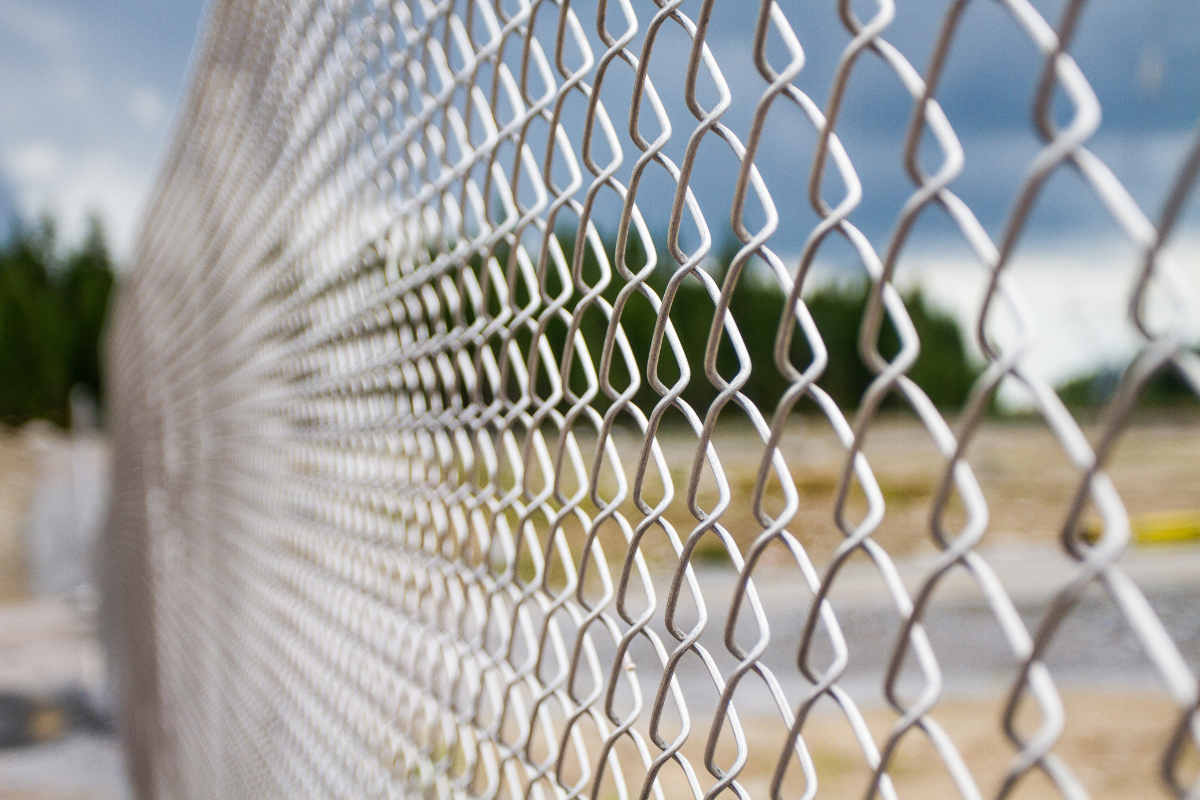
Pool safety begins long before you hear the first splash. It starts on paper with code checks and layout sketches, then takes shape in concrete footings and tensioned fabric. I have built, repaired, and audited dozens of pool enclosures over the years, and I’ve watched the smallest overlooked detail become the weak link. A gate that doesn’t self-latch every time, a bottom gap where the yard slopes, a line post set too shallow. When the goal is to protect children and pets, every choice in a chain link fence installation carries weight.
This guide walks through how to plan and build a chain link pool fence that meets code, wears well, and functions the way you need it to. It also covers the practical trade-offs between materials, the reality of working around landscaping and hardscape, and what a reliable chain link fence company or chain link fence contractor will do differently. The theme throughout is simple: safety and reliability are designed in from the start, not bolted on at the end.
What safety really asks of a pool fence
Pool barriers are there to buy time against curiosity and accidents. They are not walls of last resort. In practice, that means a compliant height, a non-climbable surface, and a gate that closes and latches every single time. Most jurisdictions that adopt the International Swimming Pool and Spa Code require a minimum height of 48 inches for residential pools, with the latch release at least 54 inches above grade if the latch is on the outside, or a child-proof mechanism if on the inside. Some cities and counties push that to 60 inches. I’ve also seen requirements for a maximum mesh opening size and limits on footholds, which can affect your fabric choice.
Chain link fencing creates a grid, which can be climbable if the mesh is large. For that reason, many codes restrict chain link mesh around pools to a smaller diamond, often 1.25 inches or 1.5 inches. The smaller mesh reduces toe and finger purchase. You can also add privacy slats or welded wire panels in front of the mesh, but slats introduce their own concerns. They make climb detection harder and can obstruct supervision lines, so they may not be permitted where visibility is required. Your chain link fence contractor should know these nuances and have shop-ready options that satisfy local inspectors.
Beyond height and mesh, clear zones matter. Keep the outside of the fence clear of climb aids. That means no pool furniture pushed against the barrier, no rocks or planters stacked to gain a foothold, and no trees or posts within reach of the top rail. Codes typically call for a 36-inch to 48-inch clear area outside the barrier, and the logic is sound. I once saw a beautiful new installation fail its inspection because a decorative boulder sat 24 inches from the fence. We moved it, not the fence, but it’s a lesson in planning the whole environment, not just the fence line.
Where chain link outperforms and where it needs help
I have installed every common pool fence type: aluminum ornamental, vinyl, wood, glass, and chain link. When the priority is durability per dollar, chain link fencing stands tall. Galvanized steel fabric and SS-40 framework give you a fence that can take abuse, shrug off sprinklers, and survive winters. Compared to wood, it does not warp, rot, or foster insects. Compared to aluminum ornamental, it is kinder to budgets and easier to repair. Compared to glass, it keeps functioning through storm debris and kid games.
The knock against chain link is aesthetics and the perception of climbability. You can soften the look with black or green color-coated fabric and framework. It blends with landscaping and does not glare. If you keep the mesh under 1.75 inches and avoid mid-rail footholds, the climbability issue shrinks. On sloped sites, plan your step-downs to avoid creating low spots under the bottom of the fabric. An exposed gap is a real-world failure point.
For families who want absolute clarity across the pool area, chain link fencing, particularly with smaller mesh, works well because it preserves sightlines better than vinyl privacy or tall hedges. That visibility is a safety feature in itself. With kids, I prefer to see what is happening rather than infer it from noise.
Codes and permitting without the headaches
A smooth permit experience starts with an accurate site plan. Include lot lines, the pool footprint, and the fence path with distances to property lines and any structures. Mark gate locations and swing directions, and specify hardware, latch heights, and mesh size. If you list these items explicitly, your plan check goes faster because the reviewer can tick boxes without follow-up questions.
Expect the inspector to check a few specific points in the field. They will measure the height at the lowest grade, test the gate’s self-closing action, and verify the latch placement. They will also look for climb aids within the clear zone. I always bring a small level, tape measure, and a screwdriver to fine-tune latch tension or closer speed right there. Small adjustments can turn a conditional pass into a clearance slip in five minutes.
If your property is within a homeowners association, you will need an architectural approval that usually addresses height, color, and style. Many HOAs prefer black color-coated chain link over plain galvanized. A good chain link fence company will have color samples and photos from similar homes to ease that conversation.
Planning the line: layout that anticipates real life
A fence line that looks straight on paper can turn into a series of ankle-twisting dips and bulges on soil. Walk the line with flags and paint. Note sprinkler heads, lighting conduits, and any yard drains. The last thing you need is to pierce a French drain or cut a low-voltage line for the landscape lights. If you see a stamped concrete deck near the pool edge, plan your gate swing to avoid chips when wind catches it. I prefer gates to swing outwards from the pool, but code and site geometry sometimes require the opposite. What matters is that the gate cannot be propped half-open by a low spot or a planter. Think through how people will carry pool supplies or furniture through the gate and how pets will behave with the new barrier.
At transitions from grass to patio, step the fence tight to hardscape. Close any wedge-shaped gaps with tension wire or, if allowed, a bottom rail paired with smaller mesh. In freeze-thaw regions, avoid setting posts too near a slab edge, where frost heave can jack them and crack the slab. Offsetting a post six inches might save you a repair later.
Material choices that improve safety and longevity
Framework thickness gets overlooked because many quotes just say 1-5/8 inch line posts, 2-inch corner posts, and a top rail. Those diameters are only half the story. Wall thickness and steel grade tell you how well the fence resists bends and fatigue. In residential pool settings, I prefer SS-40 or equivalent for framework, which typically means a thicker wall than light residential tubing. The cost bump is modest, and the fence survives the odd ladder collision or overzealous hedge trimming.
For fabric, a smaller mesh offers both security and stiffness. A 9-gauge, 1.25-inch or 1.5-inch mesh keeps the barrier tight and harder to climb. If you opt for color-coated fabric, look for a Class 2b thermally fused PVC over a galvanized core. Cheaper coatings scuff easily and chalk under sun. On the coast or within a few miles of salt water, step up to aluminized fabric or hot-dipped galvanized framework, and rinse hardware a few times each season. Stainless hardware on hinges and latches earns its keep where corrosion is relentless.
Gate hardware deserves its own focus. A pool-safe latch should be magnetic or mechanical with a positive catch, and the release should be high enough to keep small hands out. I’ve had great results with quality magnetic latches paired with adjustable self-closing hinges. The hinge is not just a hinge, it is your closer. You need a dial or set screw to adjust tension across seasons. Springs fatigue, winds change, and you want the door to find the latch under both a gentle swing and a gust.
A bottom tension wire or a full bottom rail completes the fabric. Tension wire is common and adequate when installed tight and clipped every 12 inches. A bottom rail makes a cleaner line and resists dogs pushing under, though it may create a foothold if not paired with small mesh. Choose based on site risk and code. Around pools, I often prefer tension wire with extra ties near gate posts to curb sagging.
How we build so it lasts
A clean result begins with holes of the right size and depth. For typical residential fence loads, 8-inch to 10-inch diameter holes hold line posts, and 10-inch to 12-inch holes hold gate or corner posts. Depth should be at least 30 inches in mild climates and below the frost line where seasons demand it, which can mean 36 to 42 inches up north. I bell the bottom of the hole where soil allows to resist uplift. Set posts plumb and align them before concrete sets. Sight down the line rail-to-rail, not just post-to-post.
Concrete mix should be consistent, not soupy. I add a bit of coarse aggregate in sandy soils to lock the post. Trowel a slight dome at the top of each footing to shed water away from the post. Trapped water is rust’s best friend. If the lawn slopes hard, I adjust post heights so the top rail runs smooth and the bottom maintains a gap no larger than what code allows. Pro tip: mark a level line across several posts with a laser, then measure down to set consistent tops.
When stretching fabric, tension is not a guess. I tension the first run to just remove the diamond’s belly without distorting the mesh. A come-along and a stretcher bar do the work evenly across the height. Tie wires every 12 inches on line posts and every 24 inches along the top rail for standard runs, closer at gates. Neat ties that wrap twice and fold away from traffic cut down on snags and bleeding knuckles later. If you have pets that paw at the mesh, add clips near the https://www.google.com/maps?cid=2241039838275878048 bottom wire every 8 inches.
Gates deserve extra care. Set the hinge post deeper and with a larger footing. Hang the gate and adjust hinges so the leaf is square to the latch post and the swing is unobstructed. Test the self-closing action from different positions: a gentle push, a mid-swing let-go, and a full throw. The latch should catch every time. I simulate a month of use in five minutes of repeated openings. If it misses even once, I bump hinge tension or shift the striker plate a hair.
The gate that works when no one is watching
Most failures I see are not grand. They are a gate that only latches from one angle, or a closer that sticks on humid days. A safety-focused installation treats the gate like a precision instrument. Use through-bolts where possible, avoid overtightening that crushes the framework, and add nylon bushings on hinge pins if the manufacturer provides them. For pools, I favor external latches with a shield that prevents little fingers from reaching through the fabric. Some jurisdictions require key-lockable latches that default to locked when closed. If you choose that route, store the key where adults can reach it fast.
Pay attention to the threshold. If the gate swings over a brick or paver path, keep the bottom clearance at least 2 inches to clear winter heave and summer expansion. If the path slopes, test the full arc. A gate that drags once a day will be blocked open by someone soon, and the safest latch cannot fix a propped gate.
Working around slopes, landscaping, and utilities
Perfectly flat yards are rare. On slopes, you can follow grade or step the fence. For pools, stepping with level panels usually keeps the bottom gap tighter. Each step should align at a post, not between posts, and your fabric splices should be clean. On steeper grades, switch to shorter panel spacing to avoid large bottom triangles. If your yard has a retaining wall, mount the fence at least 36 inches from the drop or raise the height to account for climb potential from the high side.
Trees and shrubs near the fence are a mixed blessing. They help the fence blend, but roots push posts, and branches create ladders. Aim to plant shrubs at least 18 to 24 inches from the fence. If you have existing hedges, expect to prune back more than looks tidy at first. They will fill in. When digging near mature trees, avoid cutting large surface roots. Shift post positions slightly if needed, then adjust spacing between posts by an inch or two so the fabric still looks uniform.
Always call in utility locates before digging. I’ve unearthed sprinkler lines in the first foot and electrical conduits at 18 inches. A nicked line is a delay and a cost, but a damaged electrical conduit is a hazard. If your yard has a pool heater or pump pad near the planned gate, give those components a safe clearance, and shield any exposed wires or gas lines.
Choosing the right chain link fence contractor
You can tell a lot about a chain link fencing services provider by how they walk the site. If they measure twice, ask about gate habits and pet behavior, and point out small risks you hadn’t noticed, you are on the right path. If the bid reads like a grocery list without specs on mesh size, framework grade, or hardware model, ask for details. Friendly assumptions today can turn into rework tomorrow.
Look for a chain link fence company that:
- Provides written specifications for mesh size, gauge, coating, framework wall thickness, and named gate hardware Shows familiarity with local pool codes and can supply permit-ready drawings on request Demonstrates gate testing and latch adjustment as part of the install, not an optional add-on Offers a clear warranty on workmanship and materials and explains what qualifies for chain link fence repair under that warranty Has references from pool projects specifically, not just perimeter fences
For homeowners who plan to sell within a few years, keep your permits and inspection sign-offs in a safe folder. Buyers and their inspectors appreciate paper trails. It can shave days off closing.
Maintenance that prevents small issues from becoming big ones
Chain link is low maintenance, but not no maintenance. Twice a season, walk the fence. Check the gate’s self-close from a light push. Listen for scraping or binding in the hinges. Look for any vertical movement at posts after storms. If your bottom wire sags at a spot where kids or pets lean, add a tie or two. Small fixes keep a fence tight for years.
If you see rust starting at cut ends or scratched coating, touch it up promptly with a compatible primer and topcoat. For color-coated systems, use manufacturer-supplied touch-up where possible. Avoid generic spray paints that mismatch and chalk. After winter, wash off de-icing salts that splash onto the lower fabric if you live near sidewalks or driveways. Salt creeps.
When you mow, keep discharge away from the fence line, and avoid banging the bottom wire with a trimmer. Line trimmers love to cut plastic ties. If your gate latch seems slower in summer, heat may have expanded parts. A quarter-turn on the hinge tension or a small shift on the strike plate restores snap.
For chain link fence repair after impact damage, do not live with a bent top rail or a crushed section near the gate. Those bends change tension loads and accelerate wear. Rail sleeves and replacement sections are straightforward for a seasoned tech. It is the kind of quick fix a reliable chain link fence contractor knocks out in an hour with the right parts on the truck.
Costs you can predict and places worth paying more
A safety-focused chain link fence installation for a typical residential pool yard of 120 to 180 linear feet generally falls in a mid four-figure to low five-figure range, depending on material grade, color coating, number of gates, and site complexity. Color-coated systems run more than bare galvanized. Smaller mesh and heavier gauge add to material cost but pay back in performance and code compliance. Gates are the high-value component; expect to allocate more for premium hinges and latches. Spending an extra few hundred dollars on gate hardware can save you service calls and peace-of-mind worries.
Permits and inspections add fees that vary locally. In my experience, that ranges from a couple hundred dollars to around a thousand in stricter municipalities. Budget time as well as money. Good contractors schedule inspections to keep your project moving. If you are sequencing around pool plastering or deck pours, coordinate dates early so fresh concrete is not a tripping hazard for the fence crew and the inspector can access latch points safely.
When chain link is not the best answer
Some sites demand other solutions. If your aesthetic standards or HOA rules require an ornamental look, powder-coated aluminum with narrow picket spacing can meet pool codes and some people’s tastes better. In windy corridors where fabric can act like a sail once slats are added for privacy, consider welded wire panels on steel posts or a perforated metal system engineered for wind load. If your fence must double as a sound barrier, chain link will not do. Recognize those constraints early and you will avoid disappointment.
I still recommend chain link fencing for many pool projects because it balances cost, visibility, strength, and serviceability. The trick is choosing the right spec and installing it with care. When done right, it becomes a quiet, reliable guardian.
A field-tested sequence for a safe, clean result
- Confirm code requirements for height, mesh size, gates, and latch placement, then produce a site plan that shows fence layout, gate swing, and clear zones Mark utilities, walk the grade, and set post locations with adjustments for roots, slopes, and hardscape edges Drill and set posts with proper depth and diameter, bell footings where soils permit, and crown concrete to shed water Hang and tension fabric with a stretcher bar, set ties at safe intervals, and secure a tight bottom wire to prevent push-under Install gates with adjustable self-closing hinges and a pool-rated latch, then test and fine-tune until the latch catches from any release point
Follow that sequence, and you avoid most surprises. Skip steps or rush the gate setup, and the fence will tell on you the first windy day.
Real-world examples that sharpen instincts
A client with a sloped backyard called after a near miss. Their gate latched perfectly when nudged from dead center, but failed when swung wide and released near the latch post. We replaced fixed hinges with adjustable self-closers, shifted the latch keeper by 3 millimeters, and fine-tuned tension so the gate accelerated into the catch. The fix took 40 minutes. The lesson is simple. Test from multiple points, not just the easy one.
Another project involved a pool built close to a property line with a mature oak. The HOA allowed a black color-coated chain link with 1.25-inch mesh. We offset the line posts around two surface roots by two inches each and used rail sleeves to keep the top rail visually straight. You would not notice the offset unless you put a tape on it, and the tree kept every large root intact. In two years of follow-ups, the posts have not shifted, and the client has taken to trimming the lower branches to maintain the clear zone. The fence blends with the shade and disappears at a distance, which is exactly what they wanted.
The role of a responsive chain link fence company after installation
Even the best installation benefits from a first-year check. Hardware settles, soils shift slightly, and users develop habits. A reputable chain link fencing services provider will offer a courtesy check within 6 to 12 months. They will put a wrench on hinge fasteners, re-tension a bottom wire if needed, and answer questions about small changes you might want. If you ask them to add a keyed latch feature or a gate stop to prevent over-travel into a wall, they should have straightforward solutions. Long term, their chain link fence repair process should be simple: you call, they triage over the phone, then arrive with parts in one visit.
Ask the company what they stock on the truck. If they carry common top rail sizes, rail sleeves, fabric sections, and a few models of latches and hinges, you are unlikely to wait days for a fix. The best crews can restore function even if color-matched parts need to be ordered later.
Final thoughts from the field
A pool fence that guards what matters most is not complicated, but it is exacting. Chain link is a strong, practical platform for that barrier when specified and built for safety. Make mesh size a deliberate choice, not an afterthought. Set posts deep and true. Treat the gate like a machine that requires precision. Keep the area around the fence uncluttered and free of ladders in disguise. Partner with a chain link fence contractor who can show you details before they build them, and who stands ready to handle chain link fence repair without fuss.
Done this way, the fence fades into daily life. You stop thinking about it, not because it is unimportant, but because it simply works. That is the highest compliment for any safety system, and the standard worth aiming for in every chain link fence installation around a pool.
Southern Prestige
Address: 120 Mardi Gras Rd, Carencro, LA 70520
Phone: (337) 322-4261
Website: https://www.southernprestigefence.com/